
Before You Reach Red: How to Notice Overload Earlier
Written on: 19 May 2026
Author: Dr Rebecca Pryde: Clinic Lead and Clinical Psychologist at Shore Psychology.
Many of us only realise we are under too much strain once things have already started to feel unmanageable.
By then, you might feel overwhelmed, irritable, flat, tearful, shut down, or unable to manage things you would normally deal with. It can feel as though you have suddenly gone from “fine” to “not fine at all”.
Often, though, there are earlier signs. They can be subtle, familiar, or easy to explain away.
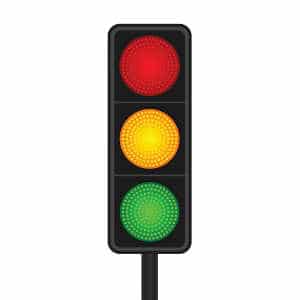
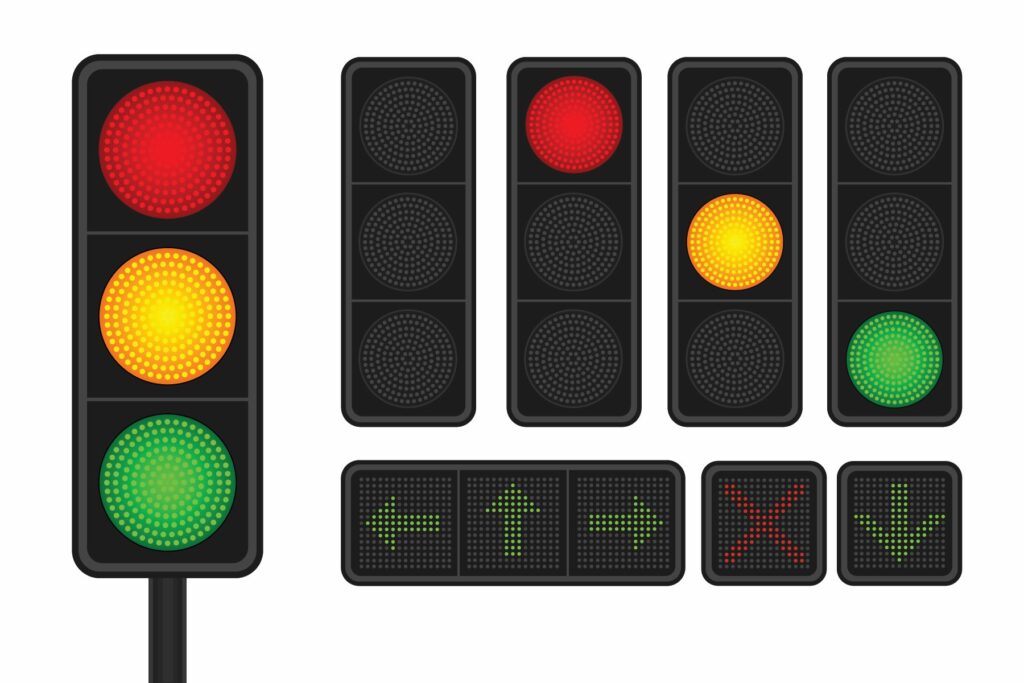
Shore’s traffic light approach offers a simple way to notice these changes before things reach crisis point:
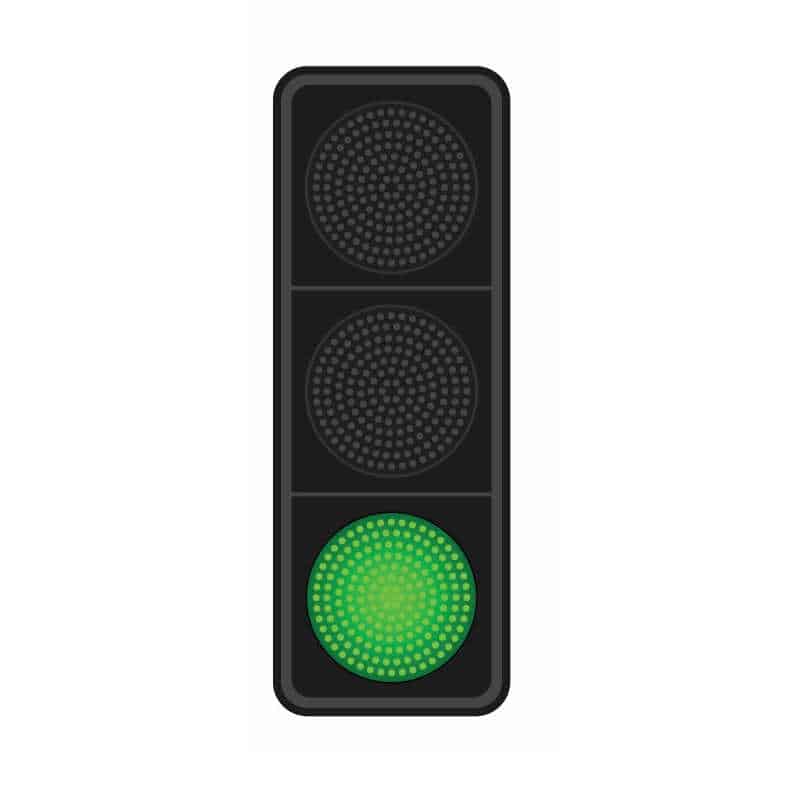
- Green is when you are coping reasonably well.
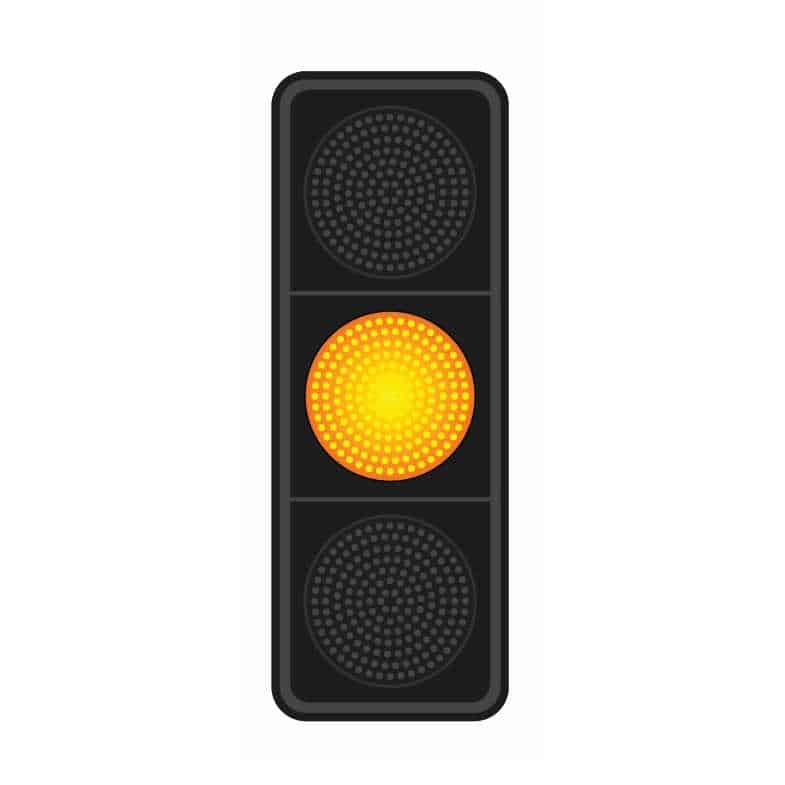
- Amber is when strain is building.
- Red is when things feel much harder to manage and more support may be needed.
Reaching Red is not a sign that you should have coped better. It is a sign that things may have become too much to manage without extra support.
Amber matters because at this point, small, practical changes can still make a real difference.
Start by knowing your Green
To effectively spot when you’re in Amber, it can help to understand what Green looks like for you.
Green does not mean feeling calm, cheerful, organised and energetic all the time. Nor does it mean life is easy, or that nothing is bothering you.
However, there may be some positives that are easy to overlook, such as sleeping well enough, eating regularly, keeping up with the basics, replying to people, getting through usual responsibilities, and still finding moments of enjoyment or connection.
You may not feel brilliant but you feel steady enough. It can be useful to ask: “What does reasonably OK usually look like for me?”
What Amber can look like
It can be useful to notice if there have been any changes to your usual pattern. Take a moment to ask yourself:
- What has shifted recently?
- Am I sleeping differently?
- Am I avoiding things I would usually manage?
- Am I snapping more quickly?
- Am I withdrawing from people?
- Am I finding noise, decisions, messages or ordinary tasks harder than usual?
- Am I spending a lot of energy trying to look as if everything is fine?
When strain builds, it can show up in your body, thoughts, habits and relationships.
Physically, you might feel tired but wired, tense, heavy, restless, or on edge. Your appetite may change, or you may notice headaches, tight muscles, stomach discomfort, or sensory overload.
Mentally, things may feel unusually busy or strangely blank. You may overthink, struggle to concentrate, feel more anxious, numb, tearful, self-critical, or unable to switch off.
Everyday routines can also begin to slip. You might delay simple jobs, lose track of things, spend longer on your phone, struggle to start tasks, or find it harder to move from one thing to another.
In relationships, Amber can look like replying less, cancelling more, snapping quickly, needing extra reassurance, or pretending you are fine because explaining feels too tiring.
These are not drastic signs but they are useful signals that your capacity is under pressure.
It’s also worth noting that Amber looks different from person to person. One person might feel restless, impatient and unable to settle. Another might withdraw, finding simple contact too much. Someone else might notice they are scrolling more, sleeping worse, avoiding small tasks, or feeling unusually emotional.
Why we miss the signs
Amber can be easy to overlook: after all, you may still be working, caring, organising, smiling, and doing what needs to be done.
It is also easy to explain the signs away. You tell yourself you are just busy, tired, distracted, hormonal, under the weather, or having a bad week. Sometimes that may be true. But when several things shift at once, or the pattern continues, it is worth paying attention.
Additionally, many people are used to overriding their own needs, especially when others depend on them.
The difficulty is that pushing through in the short term can create more strain later. Making small changes earlier may help prevent things from becoming harder to manage further down the line.
What helps at Amber
When you notice strain building, it can be useful to ask:
- What can wait?
- What can I make easier?
- What would help my body settle?
- Who could I speak to before this gets harder?
You might postpone something non-urgent, lower your expectations for the day, say no to an extra demand, eat something simple, drink water, step outside, choose a quieter space, put your phone down, or ask for practical help.
Regaining a sense of balance
The aim is not to fix everything at once. It is to notice the pressure early and make one small adjustment before things become overwhelming. Often, the sooner you take a step, the easier it is to regain a sense of balance.
If things already feel unmanageable, or you are worried about your safety or someone else’s, it is important to seek urgent support rather than trying to manage alone.
Shore can help you to manage and improve your wellbeing in a variety of different ways.
And, if you are not sure where to start, why not book a free navigation call. call us on 0131 378 9700
More from Shore Psychology
 News
News
What is an Occupational Therapist (OT)?
What is Occupational Therapy and how can it help you?
Read more News
News
Social Enterprise Scotland Awards – Shore nominated for Second Year
Shore nominated for Social Enterprise Scotland Award for Second year Running
Read more News
News
Shore secures loan via British Banks Start up Loans Programme
Shore secures loan via British Banks Start Up Loans Programme
Read more